Redesigning Big Cartel’s seller experience
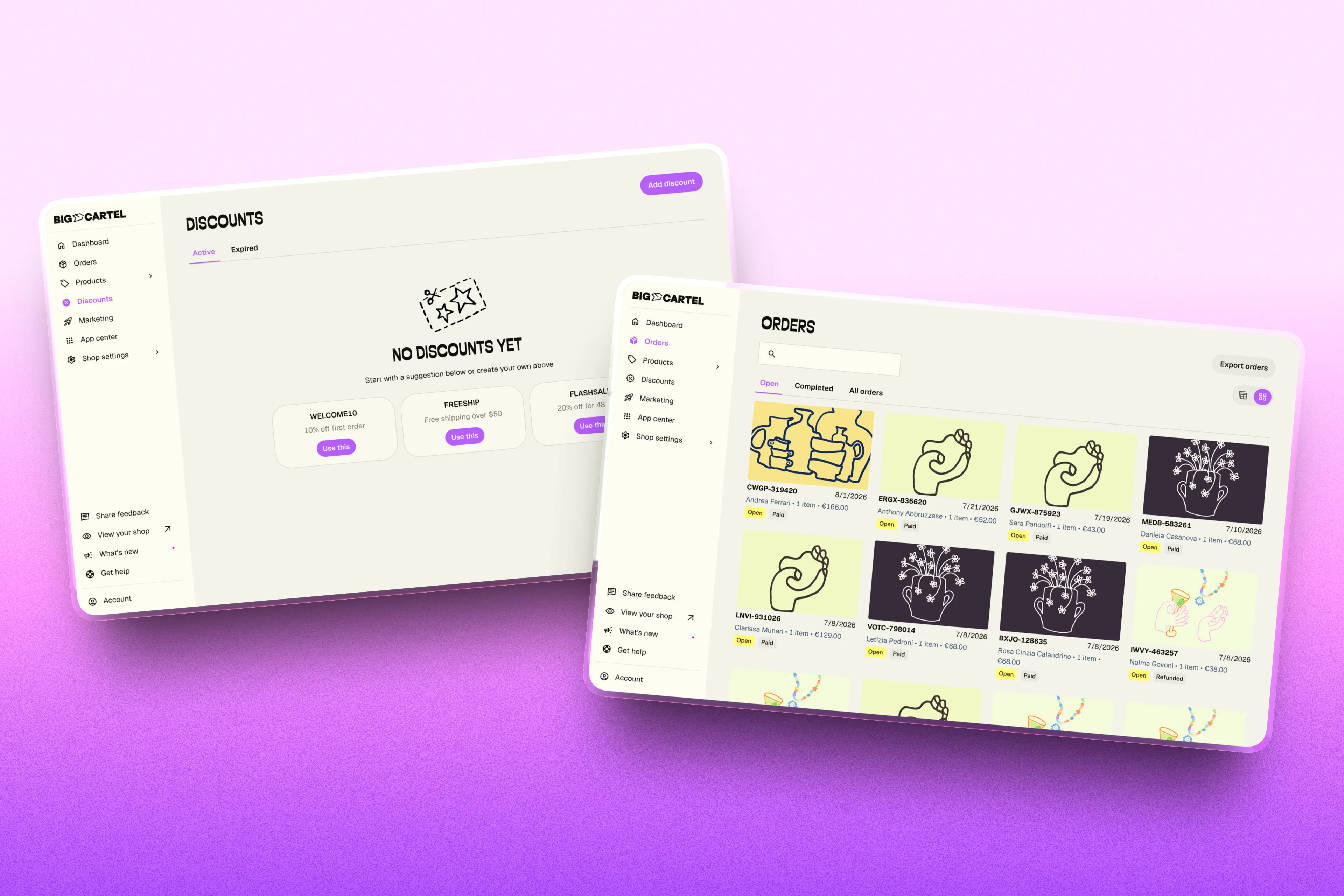
Big Cartel had no trusted source of truth for design. I built tokens, components, and foundations, and partnered with an engineer to ship it into production code.
| Role | Design lead |
| Team | Me, Engineering Lead, 2 Engineers |
| When | 2024-2025 |
| Result | Paid upgrade conversion rate stayed steady after the redesign. Upgrade call-to-action clicks saw a ~45% increase. |
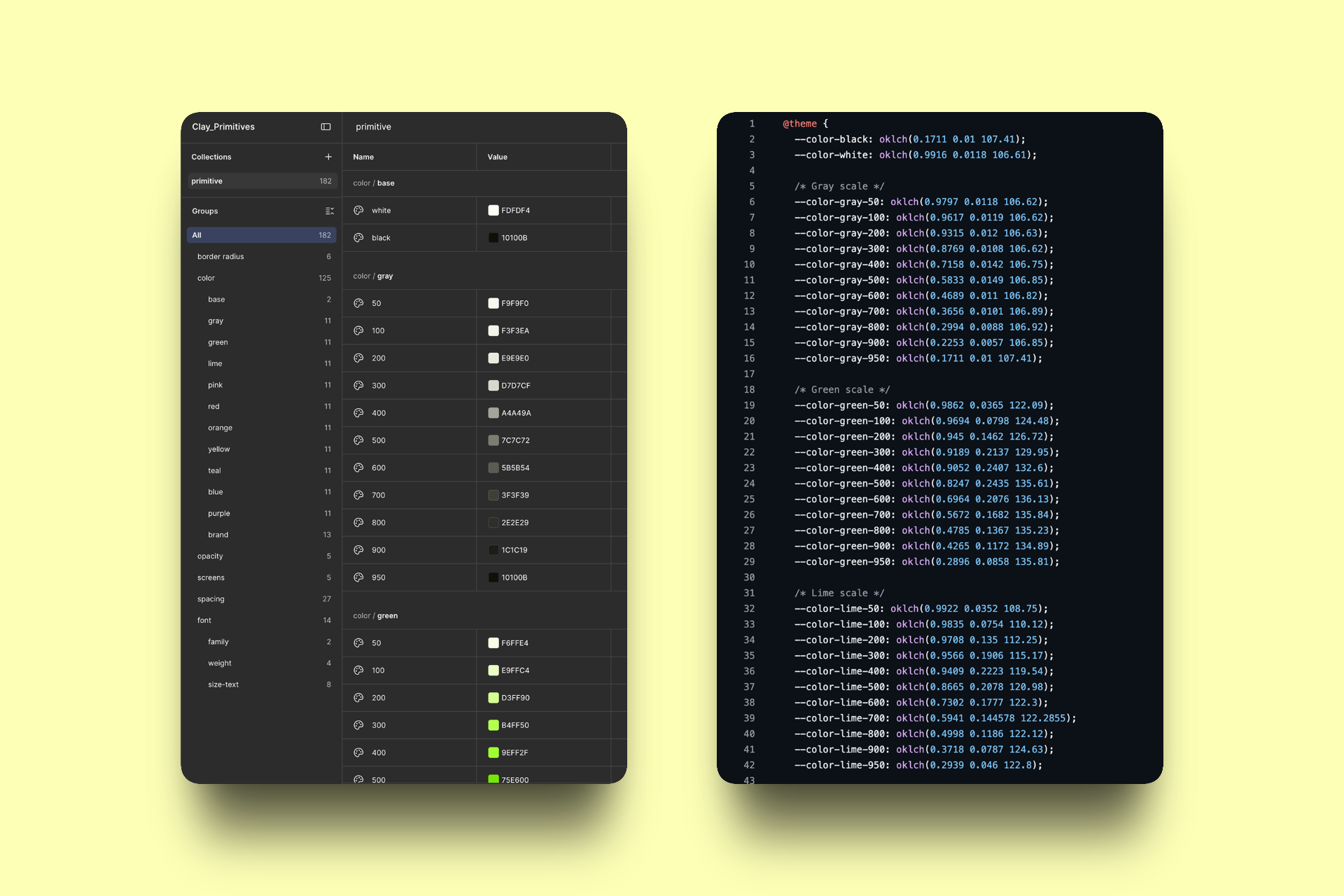
| Final Count | 182 variables, 48 components, 34 styles |
The problem
Designing in Figma and in our design system was messy and painful. And, the frontend had grown tangled enough that changing it was genuinely unpleasant. Product, design, and engineering had all quietly stopped proposing things that would require touching it. Ideas got shaped around what the frontend could tolerate.
The design and code debt were the same, and it had made all of us conservative about improving the product.
Also.. it was ugly.
Influence without authority
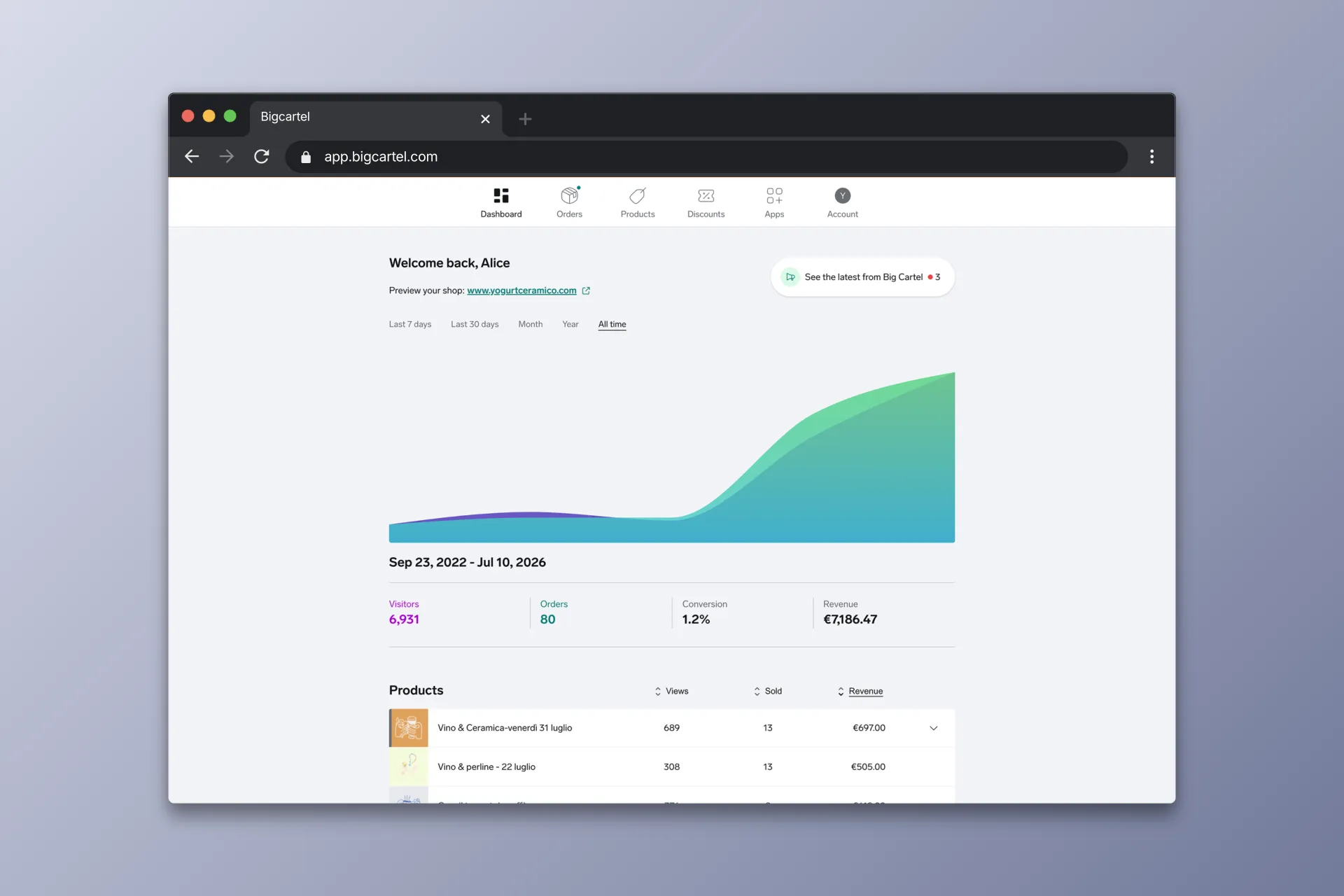
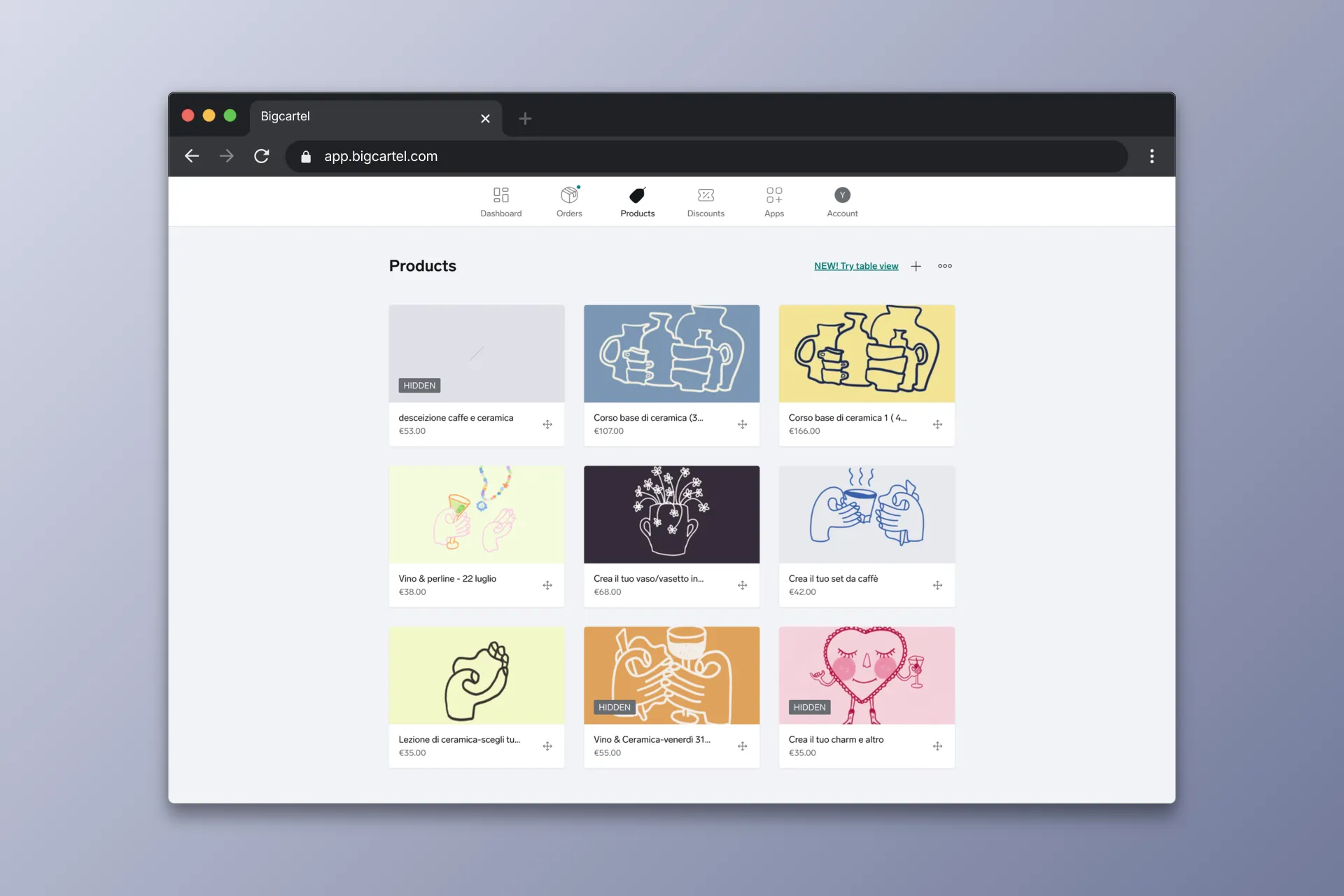
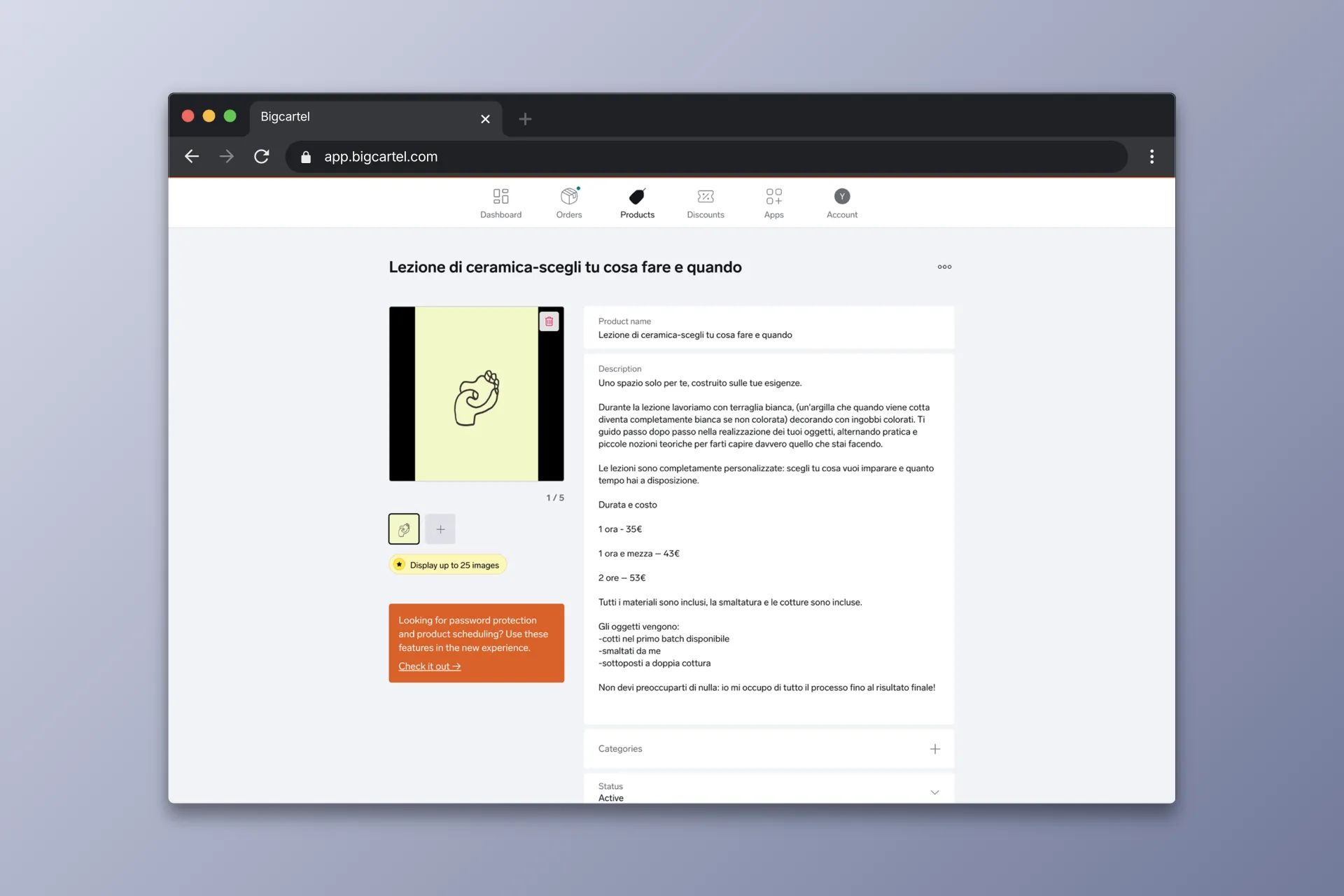
Over time, I made the cost visible inside the work.
This is laid out this way because the current frontend can't do the other thing. This pattern is inconsistent with that screen because we have no shared component and I rebuilt it by hand.
The seller experience is suffering, and more complex features are taking longer to build. The team and leadership agreed that a short-term investment here would give us long-term gain for how the design and engineering teams could operate.
Goals
We finally got sign off with 2 explicit goals:
- Improve workflows for design and engineering enabling for speed and performance
- Don’t tank the paid upgrade rate 😅
The process
I owned the design side end to end. I created Figma variables, tokens, the component library and foundations.
I partnered with an engineer, and we shipped the system into production code — the same tokens, the same components, the same names on both sides.
Results
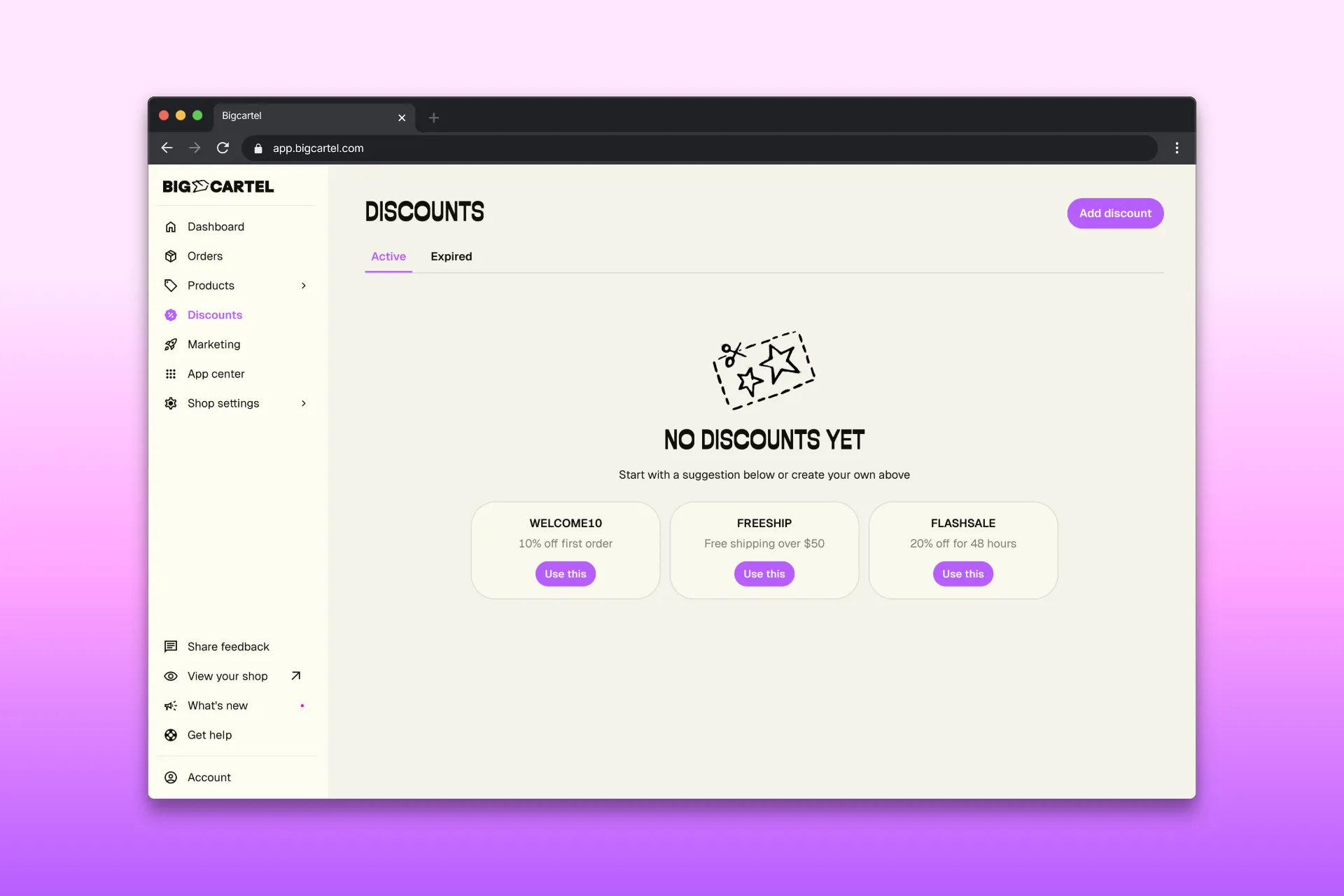
- We didn’t tank the metrics 😮💨. We maintained our paid upgrade rate over our target goal of 30%. Our test cohort landed at 33%.
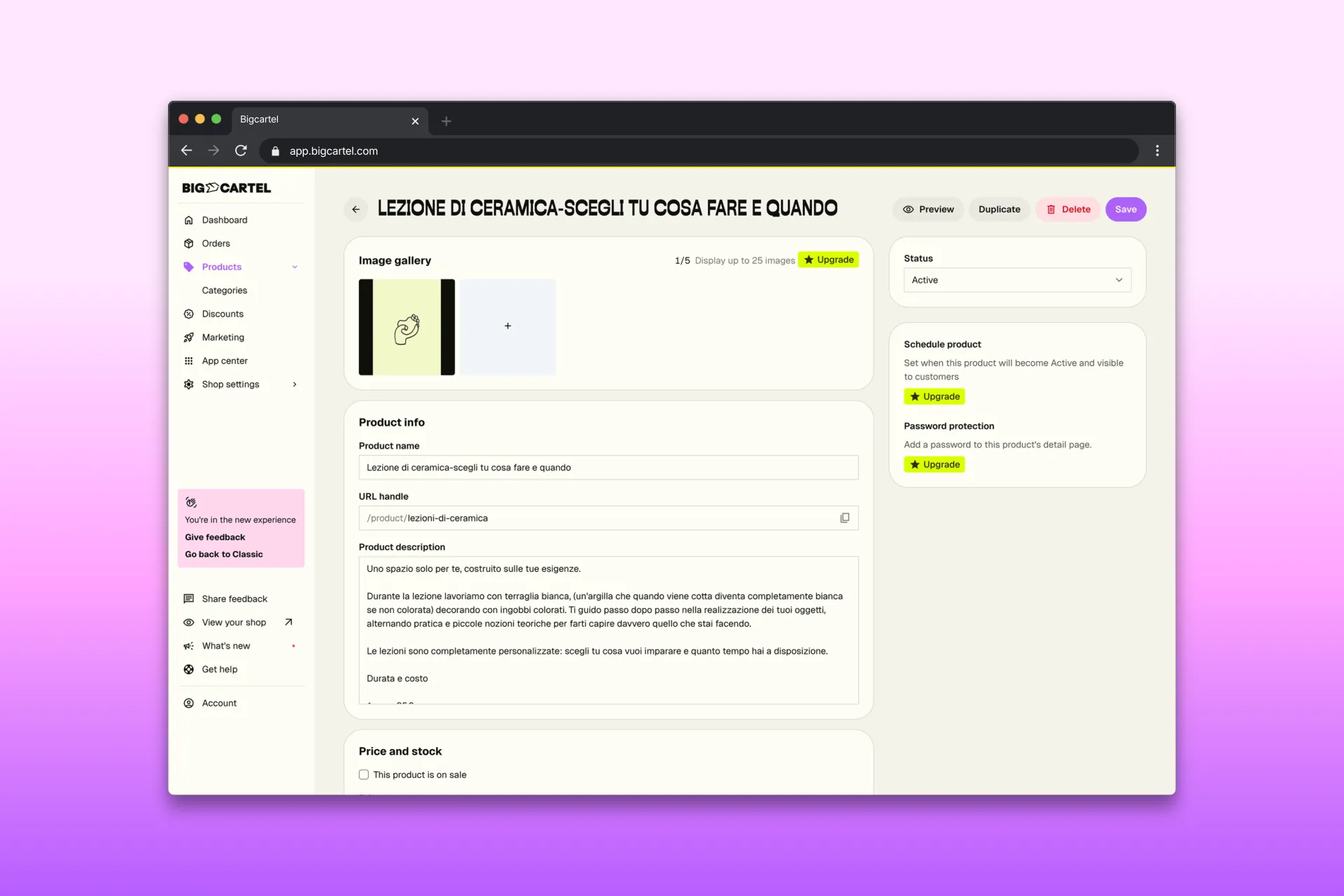
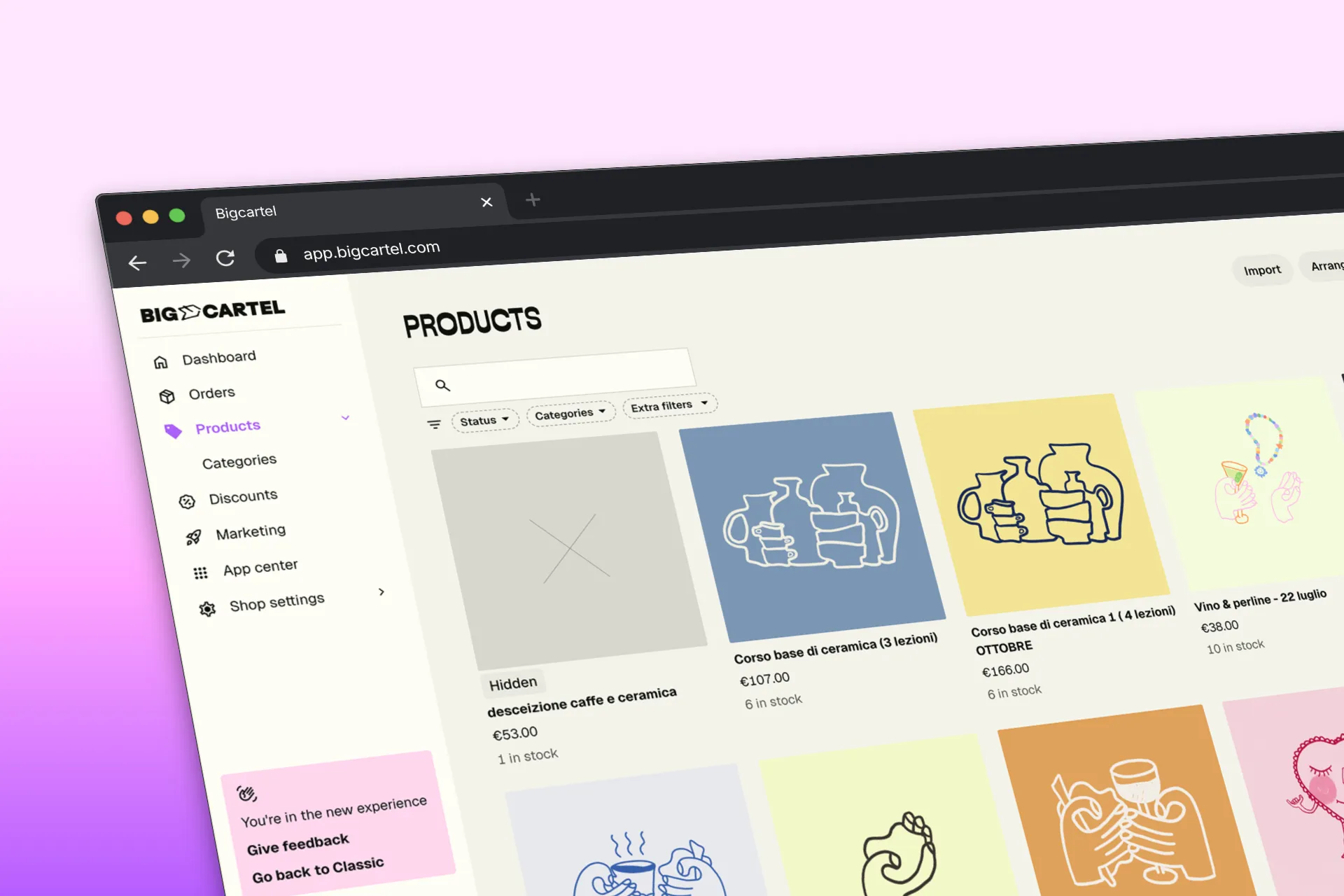
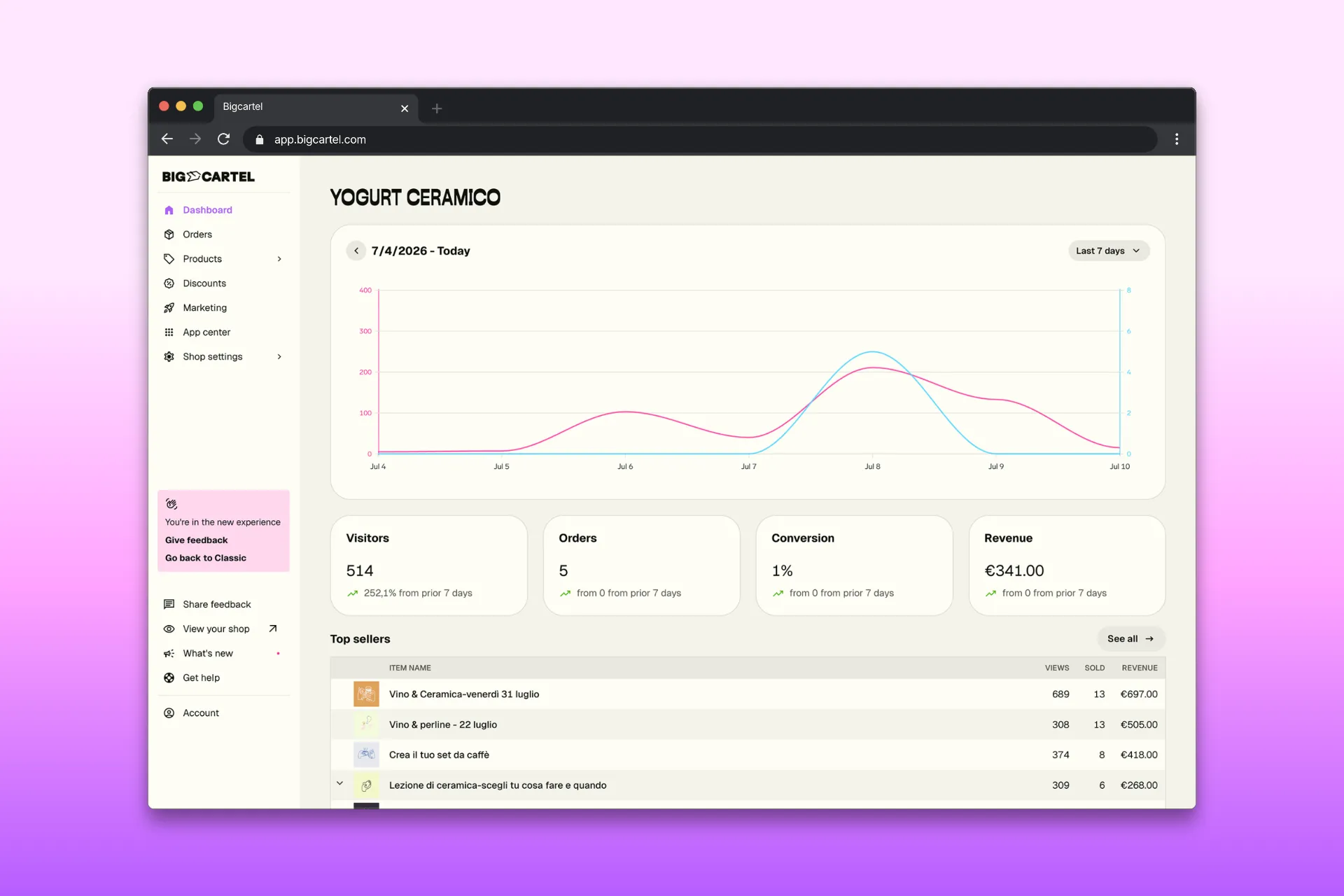
- We got a completely new look that’s performant, modern and fast. She is beauty and she is brains 💅.
- We fully released to 100% of all US sellers within a month of A/B testing.